The recent report about a young woman killed by her boyfriend in Yamoah Nkwanta, Awutu Senya West, has shocked many Ghanaians. As with similar cases before it, the early explanation being circulated is simple and troubling: she denied him sex.
That statement may describe the moment when the violence occurred, but it does not explain the cause.
And if we keep repeating it, we will keep missing the real problem.
Saying “No” Is Not a Crime
In Ghana, across Africa, and everywhere else, people say “no” every day.
- No to visits
- No to sex
- No to conversations
- No to demands
Most of the time, nothing violent happens.
So when a refusal ends in death, the refusal is not the cause.
It is only the point where something deeply broken finally shows itself.
What Was Really Going On?
Violence like this does not begin in one night. It grows quietly.
1. Control Disguised as Love
In many African societies, we still confuse control with care.
- “I’m protecting her.”
- “She is my woman.”
- “I have a right to know where she is.”
But control is not love.
It is ownership thinking—and ownership thinking is dangerous.
2. Entitlement Reinforced by Culture
Some men grow up absorbing the idea that:
- providing gives them authority
- being in a relationship guarantees access
- refusal is disrespect
But no relationship gives one person ownership over another’s body.
Not marriage. Not dating. Not tradition.
3. Poor Emotional Training
We teach children to obey.
We rarely teach them how to handle anger, rejection, or disappointment.
So when emotions rise, some people do not know how to pause, speak, or walk away. They explode.
4. Harmful Masculinity Scripts
We still repeat messages that say:
- a man must dominate
- rejection makes you weak
- force restores dignity
These ideas turn frustration into rage—and rage into tragedy.
Why the Way We Report This Matters
When headlines say, “He killed her because she denied him sex,” we unintentionally suggest that:
- refusal is a trigger
- anger explains murder
- blame is shared
That framing is wrong—and dangerous.
The truth is simple:
Refusal does not cause violence.
Violent thinking causes violence.
The Warning Signs Are Often There
Cases like this rarely come without signs:
- jealousy presented as love
- anger when boundaries are set
- controlling behaviour
- threats, even “small” ones
- isolation from friends or family
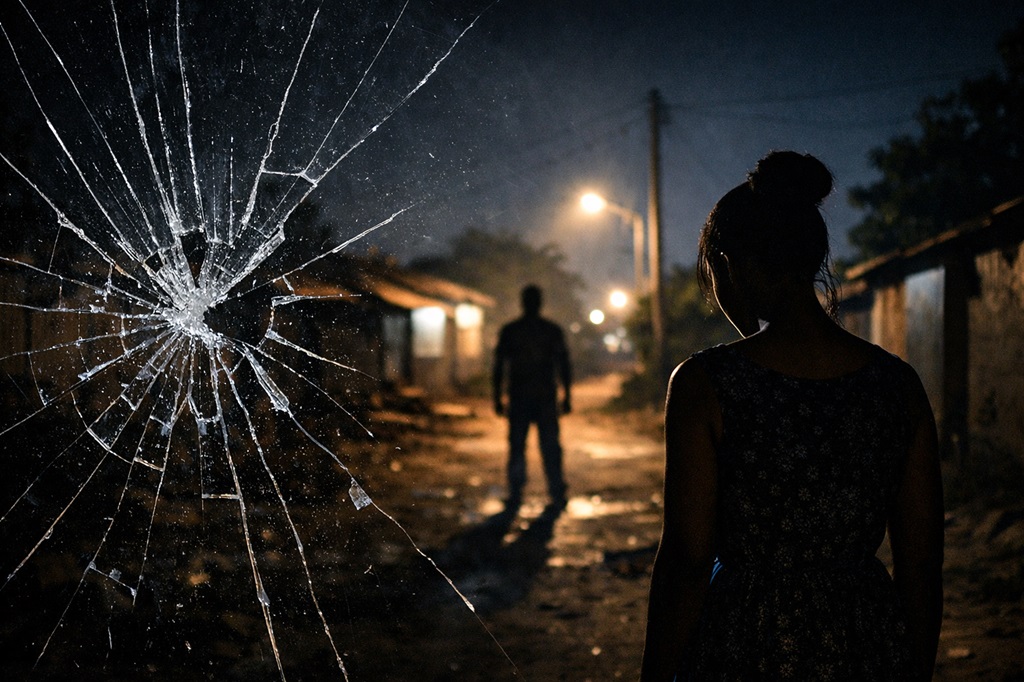
These are the cracks long before the glass breaks.
What Must Change—Here at Home
If we truly want fewer headlines like this in Ghana and across Africa, we must:
- teach consent early and clearly
- teach emotional control, not just discipline
- stop excusing violence with weak explanations
- take controlling behaviour seriously, before it escalates
A Simple Truth
Let us say this clearly, especially to our sons:
It was never about sex.
It was about power, control, and broken thinking.
If we keep telling the wrong story, we will keep losing lives.
Epiloge:
Let us change how we talk, how we teach, and how we intervene—at home, in churches, in schools, and in our communities. Silence and simplification help no one












Get involved!
Comments